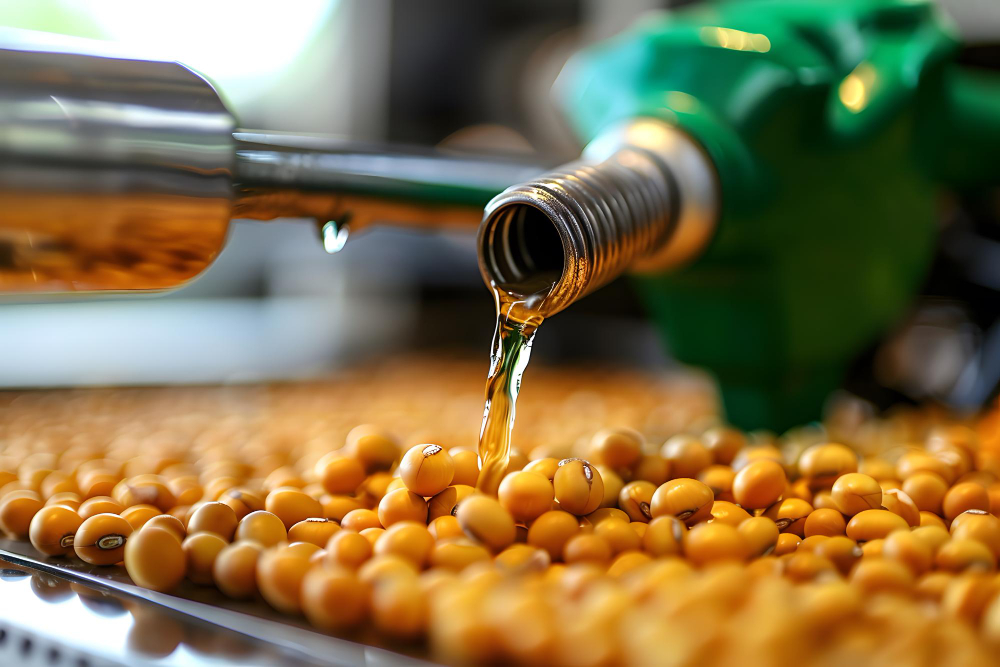
Fortified soybean oil is soybean oil with selected vitamins added during processing to increase its nutritional value. Vitamin A and vitamin D are commonly used in edible oil fortification, although the exact nutrients and levels depend on the market and applicable regulations. The WHO published updated guidance on fortifying edible oils and fats with vitamins A and D in 2025.
For food manufacturers, distributors, and commodity buyers, choosing the right supplier involves looking beyond price. Oil quality, fortification levels, testing, documentation, sourcing, packaging, and delivery all deserve attention. This guide explains what to look for when buying fortified soybean oil for commercial supply.
What Is Fortified Soybean Oil?
Soybean oil comes from the seeds of the soybean plant, Glycine max. Under the Codex Standard for Named Vegetable Oils, soybean oil is recognized as a named vegetable oil for human consumption.
Fortification means adding specific micronutrients to the oil. Vitamin A and vitamin D are among the nutrients used for edible oil fortification. The process needs controlled mixing so the added nutrients are distributed consistently throughout the oil.
Why Is Soybean Oil Fortified?
Fortification can help increase the intake of selected micronutrients through a commonly consumed food.
How Is Soybean Oil Fortified?
Fortification generally takes place after the main refining stages, including bleaching and deodorization. A controlled amount of vitamin concentrate is added to the oil and mixed thoroughly.
The process may sound straightforward, but consistency is important. If the nutrients are not distributed properly, the final product may not meet the agreed specification.
For commercial buyers, understanding the supplier’s broader sourcing capabilities is also important. Companies evaluating international procurement can benefit from understanding the differences between local and global suppliers and how sourcing models can affect availability, logistics, and supply continuity.
Consistent Mixing Matters
Proper mixing helps distribute the added vitamins throughout the oil and supports consistent nutrient levels from one part of the batch to another.
A supplier should be able to explain how fortification is controlled and how the finished product is tested before shipment.
What Should You Check When Buying Fortified Soybean Oil?
Start with a clear product specification before comparing suppliers. Include the oil type, fortification level, quality requirements, packaging, quantity, origin, and delivery needs.
This gives suppliers the same information to quote on and makes it easier to compare their offers. Codex standards also provide quality and composition requirements for named vegetable oils, while specific requirements can vary by destination and intended use.
The same principle applies when sourcing other bulk commodities. For example, asking the right questions before selecting a supplier can help buyers evaluate supplier quality and commercial requirements more consistently.
Build a Clear Specification
Before requesting quotations, outline the details that matter to your business:
- Soybean oil type and quality
- Required vitamin fortification
- Target nutrient levels
- Quantity required
- Country of origin
- Packaging format
- Testing requirements
- Destination market
- Delivery terms
- Expected shipping schedule
A clear specification makes the buying process much less confusing and helps you compare suppliers on the same basis.
Check Oil Quality and Testing
Price is easy to compare. Product quality requires a little more work.
Ask the supplier what testing is carried out before the oil leaves the facility and what documentation is provided with the shipment. Depending on your specification, relevant quality information may include peroxide value, acid value, impurities, colour, odour, and other agreed parameters.
For fortified soybean oil, there is another question to ask: how are the vitamin levels verified?
A supplier should be able to provide appropriate test results showing that the product meets the agreed fortification requirements.
Ask for a Certificate of Analysis
A current Certificate of Analysis, commonly called a COA, gives buyers useful information about the actual batch being supplied.
It can help you compare the shipment against your agreed specification before accepting the product and provides a useful record for your purchasing and quality teams.
When evaluating a supplier, it is also useful to look at how they approach quality, documentation, and consistency across other commodity categories. Resources on evaluating suppliers before a long term contract can provide additional considerations for ongoing procurement decisions.
Look at the Supplier’s Sourcing Network
Where the oil comes from can affect much more than the information printed on a document.
Origin can influence availability, pricing, shipping times, and future supply. This becomes particularly important when you are buying commercial quantities or planning recurring shipments.
A supplier with established sourcing relationships may have greater flexibility when market conditions change. Instead of focusing only on today’s quotation, it is worth asking how the supplier plans to support your requirements over the next several orders.
Ask About Product Origin
Find out where the soybean oil is produced and sourced. You can also ask about the production facility, available volumes, and whether the same specification can be maintained for future shipments.
For ongoing procurement, consistency is often just as important as finding a competitive initial price.
Review Packaging and Storage Requirements
There is no single packaging format that works for every soybean oil buyer.
A manufacturer purchasing large volumes may prefer bulk transportation, while another business may need drums, flexitanks, or another format that fits its storage and handling setup.
Think about where the oil will be received, how it will be stored, what equipment is available, and how quickly the product will be used.
Transportation also deserves attention, particularly for international shipments where the oil may spend considerable time in transit.
Choose Packaging Carefully
The right packaging format depends on your order size, storage capacity, handling equipment, destination, transportation method, and intended use.
Discuss these requirements with the supplier before finalizing the order. A lower product price does not help much if the chosen packaging creates additional handling or storage costs.
Check Regulatory and Documentation Requirements
Food products crossing international borders can involve several documentation and compliance requirements.
The exact requirements depend on the destination market, so buyers should check the regulations that apply to their particular shipment rather than relying on a standard document package from a previous order.
Depending on the transaction, documentation may include the product specification, COA, country of origin information, compliance documents, shipping paperwork, and labelling information.
Do Not Skip Documentation
Good documentation gives you a clear record of what was purchased and what was actually supplied.
It can also make communication between purchasing, quality control, logistics, customs, and receiving teams much easier.
Compare Suppliers Beyond Price
A lower quote does not always mean a lower cost. A delayed shipment, quality issue, or missing document can quickly add to the final expense.
When comparing suppliers, look at product quality, fortification consistency, supply volume, lead time, documentation, payment terms, logistics, and communication. If you plan to buy regularly, a supplier who can deliver consistently may be a better choice than the cheapest option.
Supplier comparison principles used across commodity procurement can also be seen in guides such as how to choose the right salt supplier, where factors beyond the initial product price can affect the overall purchasing decision.
Ask the Same Questions
Give each supplier the same product and order details. This makes the quotes easier to compare and gives you a clearer idea of what each supplier is offering.
Why Supplier Reliability Matters
For food manufacturers and commodity buyers, one shipment may be part of a much larger production schedule. A supplier that communicates clearly and delivers according to agreed specifications can make procurement easier to manage.
Reliability also means being transparent about availability, origin, specifications, lead times, and potential changes. If something changes before shipment, the buyer should hear about it early rather than after the cargo is already delayed.
Look for Long Term Capability
If you expect regular purchases, ask whether the supplier can support your expected volume and requirements over time.
How Veldora Can Help With Soybean Oil Sourcing
Veldora works with essential commodities, including soybean oil, through direct purchasing and international sourcing relationships. The company works across major supply regions in North America, South America, Africa, Europe, Asia, and the Middle East.
For buyers looking for fortified soybean oil, the starting point should be the exact product specification, required volume, destination, and delivery requirements. Veldora can help coordinate sourcing around those commercial needs rather than treating every order the same.
Looking for a reliable soybean oil supply partner? Contact Veldora to discuss your product specifications, volume requirements, and sourcing needs.
Fortified Soybean Oil Supplier Checklist
Before choosing a supplier, it helps to have a simple checklist. This can make it easier to compare quotations and identify missing information before placing an order.
- Confirm the soybean oil specification
- Check the required vitamin fortification
- Request a current COA
- Confirm product origin
- Review applicable food regulations
- Check available volume
- Confirm packaging options
- Ask about lead times
- Review shipping and delivery terms
- Check supplier sourcing capabilities
- Discuss ongoing supply requirements
A clear checklist can save time and help buyers compare suppliers based on the factors that actually affect the shipment.
Final Thoughts
Choosing fortified soybean oil is not simply about finding the lowest price per tonne. Buyers need to look at the oil specification, fortification levels, quality testing, documentation, sourcing, packaging, and delivery before making a decision.
A reliable supplier should be able to explain where the oil comes from, how it is tested, what fortification specification it meets, and how the shipment will be handled. For businesses purchasing commercial quantities, these details can make a significant difference to supply planning.
If you are sourcing soybean oil for manufacturing, distribution, or food production, start with a clear specification and compare suppliers on quality and reliability as well as price.
FAQs
Is fortified soybean oil the same as regular soybean oil?
Fortified soybean oil starts with soybean oil, but selected vitamins or micronutrients are added according to a defined fortification specification.
Which vitamins are commonly added to fortified soybean oil?
Vitamin A and vitamin D are commonly used for edible oil fortification. The specific vitamin forms and amounts depend on the applicable requirements.
How do I check the quality of fortified soybean oil?
Ask for the product specification and a current Certificate of Analysis. The documentation should cover relevant oil quality parameters and, where applicable, the required vitamin fortification.
What should I ask a soybean oil supplier?
Ask about the oil specification, vitamin fortification, product origin, testing, available volumes, packaging, documentation, lead times, shipping arrangements, and delivery terms.
How do I choose the right fortified soybean oil supplier?
Look at product quality, fortification consistency, testing, documentation, sourcing capability, available volume, delivery reliability, and commercial terms. Price should be part of the comparison, but it should not be the only factor.