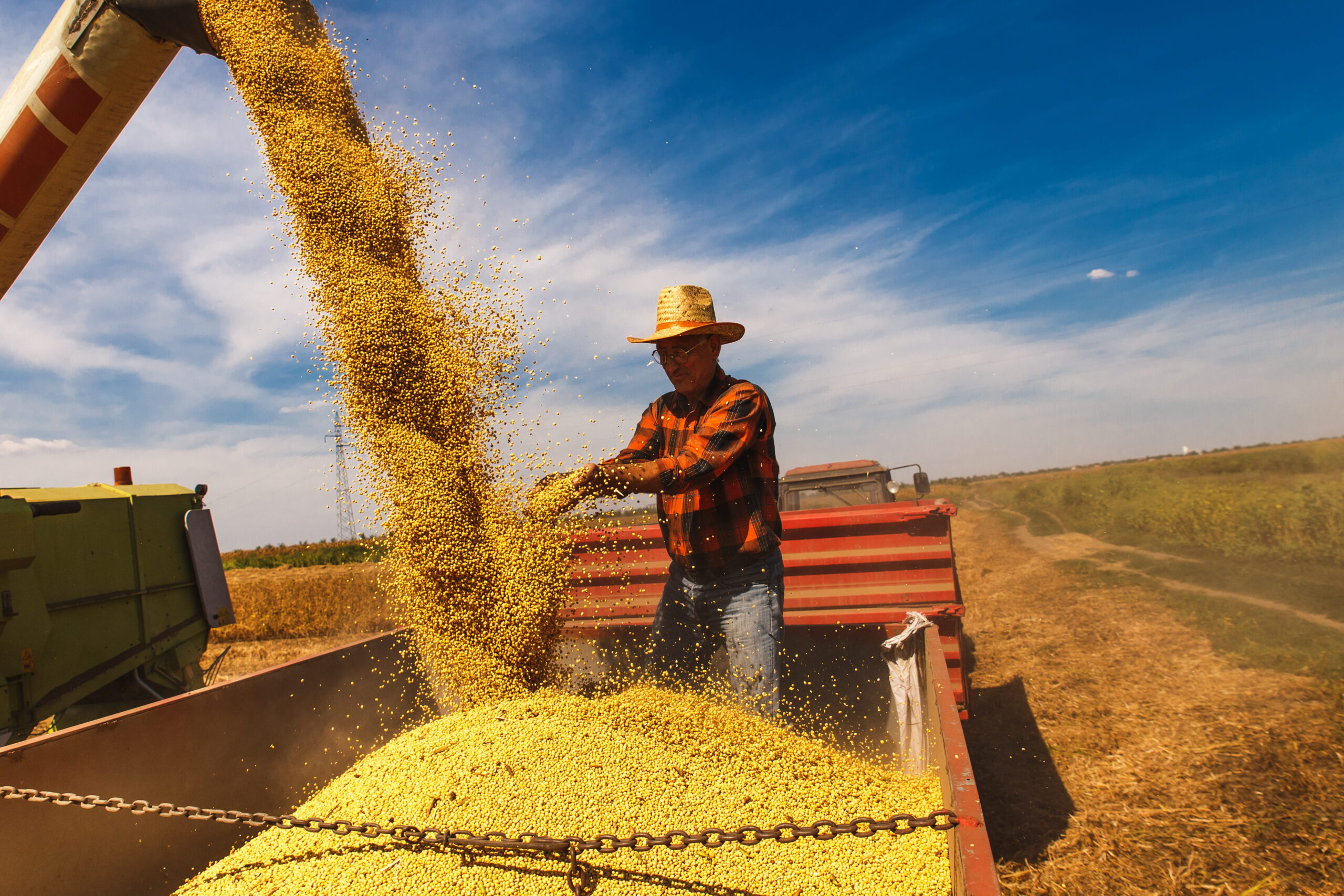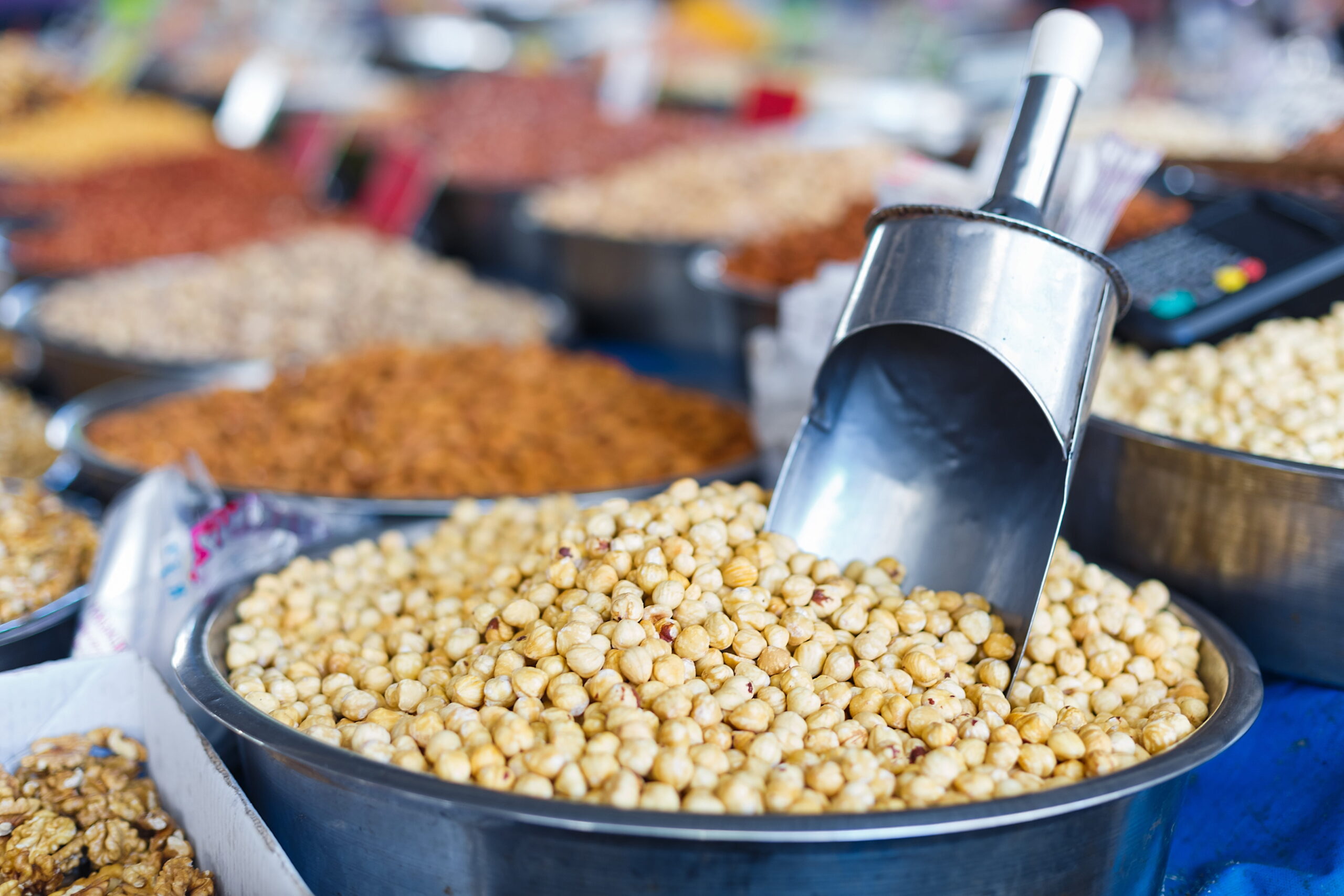
The soybean import process involves selecting a reliable supplier, confirming product quality, preparing import documentation and arranging shipping and customs clearance. Importers must also check the destination country’s regulations before placing an order to avoid delays, unexpected costs and compliance issues.
This guide explains the key soybean import requirements, including supplier verification, required documents, shipping arrangements and customs procedures. Follow these steps to assess soybean suppliers, prepare your shipment and manage international soybean purchases with greater confidence.
What Is the Soybean Import Process?
The soybean import process generally follows six stages: identifying the required product, verifying the supplier, confirming import regulations, agreeing on the purchase terms, arranging shipping and completing customs clearance.
Each stage has an impact on the next. So confirming the destination country’s requirements prior to contract signing will prevent a shipment being dispatched without the requisite permit or certificate.
1. Define Your Soybean Requirements
Start by identifying exactly what your business needs. Soybeans may be purchased for food processing, animal feed, oil extraction or planting, and each use can involve different quality standards and regulatory requirements.
Before requesting quotations, establish:
- Product type: Whole soybeans, food-grade soybeans, feed-grade soybeans or seed intended for planting.
- Quantity: Required shipment volume and expected purchasing frequency.
- Quality specifications: Moisture limits, foreign material, damaged or split beans, protein content and other relevant parameters.
- Origin: Preferred producing country and any country-of-origin restrictions.
- Delivery requirements: Destination port or facility, delivery schedule and preferred shipping terms.
Providing these details helps suppliers quote against the same requirements, making it easier to compare offers accurately.
2. Verify the Soybean Supplier
A competitive quote doesn’t necessarily mean the Soybeans supplier is reliable. You need to check the business out and make sure they’re the right supplier of the commodity and quantity you require before you hand over a deposit or sign a purchase agreement.
Begin with the supplier’s registered business name, address, registration details and their official contact details. Ask for export experience (including country of export and volume), product specifications and references that can be independently verified.
For bigger transactions you might want to go the route of a third party inspection or a pre-shipment quality assessment. The scope of the inspection should be in line with the contract (i.e. the sampling, the testing and the tolerances).
If a supplier claims to represent a farm, processor or exporter, confirm that relationship directly when practical. Be cautious of unexplained changes to bank account details, inconsistent company information or pressure to make urgent payments.
3. Confirm Import Rules Before Shipment
Before placing an order, check the regulations that apply to the commodity’s origin, destination and intended use.
For imports into Canada, the Canadian Food Inspection Agency (CFIA) provides the Automated Import Reference System (AIRS) to help identify requirements for regulated plant products. The relevant details can include the product, country of origin, destination, end use and other shipment characteristics.
Check whether the specific shipment requires an import permit, phytosanitary certificate, inspection, treatment or other approval. Requirements can differ for soybeans intended for planting compared with beans imported for processing.
For commercial imports into Canada, also confirm the applicable customs classification, value for duty, taxes and any other government requirements. The Canada Border Services Agency’s import guide explains the general customs process.
Do not rely on a supplier’s assurance that the cargo can enter the destination country. The importer should independently verify the applicable rules before shipment.
Soybean Import Requirements | What Should Buyers Check?
Soybean import requirements depend on the importing country’s regulations and the specific cargo. There is no single list of documents or permits that applies to every soybean shipment worldwide.
Before approving an order, check the following areas.
| Requirement | What to confirm |
| Import eligibility | Whether soybeans from the chosen origin can enter the destination country |
| Intended use | Whether the product is for food, feed, processing or planting |
| Import permit | Whether a permit or prior authorisation is required |
| Plant health controls | Whether phytosanitary certification, inspection or treatment applies |
| Product standards | Applicable grade, quality, contamination and testing requirements |
| Customs classification | Correct tariff classification, origin, customs value and applicable duties |
| Labelling and packaging | Any required markings, packaging or transport conditions |
| Additional approvals | Any food safety, feed, seed or genetically modified organism requirements that apply |
If the soybeans are genetically modified, check the destination country’s rules for the specific product and intended use. Approval for one use does not automatically mean the product is authorised for every other use.
For Canada, consult the CFIA’s plant import guidance and AIRS before arranging shipment. For other destinations, consult the relevant plant health, food safety and customs authorities.
Soybean Import Documentation: Essential Paperwork
Correct soybean import documentation helps establish what was purchased, where it originated, how it was shipped and whether the cargo meets the applicable import rules.
The documents required for a shipment should be confirmed before dispatch. Common commercial shipping documents include the following.
Commercial Invoice
The commercial invoice records the transaction between the buyer and seller. It normally includes the parties’ details, product description, quantity, unit price, total value, currency and agreed trade terms.
Check that the product description and quantities match the purchase agreement and other shipping records. Inconsistencies can complicate customs clearance.
Packing List
The packing list describes how the goods are packed and identifies details such as package or container counts and weights, as applicable. For bulk soybean cargo, the documentation should reflect the actual loading arrangement and relevant cargo quantities.
Compare it with the shipping instructions and other shipment records before the cargo departs.
Bill of Lading
For ocean freight, the bill of lading records key details of the shipment and serves specific transport and cargo-release functions depending on its type. Other transport modes use their corresponding transport documents.
Confirm that the shipper, consignee, cargo description, loading port and destination details are correct.
Certificate of Origin
A certificate of origin or other acceptable origin evidence may be required to establish where the soybeans were grown or produced. Origin can affect admissibility, trade measures and eligibility for preferential tariff treatment.
The country from which the goods are shipped is not necessarily the country of origin. Confirm the correct origin and the destination country’s evidence requirements.
Phytosanitary Certificate
A phytosanitary certificate may be required when the importing country’s plant health rules call for it. It is issued by the relevant official plant protection authority in the exporting country and confirms specified plant health requirements have been met.
Do not assume every soybean shipment needs the same certificate. Check the applicable import conditions before the supplier arranges the paperwork.
Quality and Inspection Certificates
Depending on the contract and destination requirements, buyers may request certificates or reports covering quality, grade, moisture, foreign material, protein content or other agreed parameters.
An independent inspection report can help verify that the shipment meets the contract specifications. The testing scope and acceptable results should be agreed upon before loading.
Additional Permits and Declarations
Some shipments require additional permits, treatment records, declarations or approvals related to plant health, food safety, feed use or genetically modified products.
The complete document set depends on the destination and shipment. For Canadian imports, use CBSA’s commercial import guide alongside the relevant CFIA requirements rather than treating a general document checklist as sufficient for clearance.
How to Reduce Risk When Importing Soybeans
The most effective risk controls are established before payment and shipment. A few checks can help prevent costly disputes and avoidable delays.
- Use a written purchase contract. Specify product grade, quantity, quality tolerances, origin, delivery terms, payment schedule and the process for resolving disputes.
- Agree on inspection arrangements. Identify who will inspect the cargo, when samples will be collected and which testing standards will apply.
- Verify payment instructions. Independently confirm bank account details, especially if they change during negotiations.
- Clarify delivery responsibilities. State the agreed Incoterms® rule and named place or port, where applicable, so the parties understand their respective obligations.
- Prepare documents before dispatch. Check that invoices, transport documents, permits and certificates are consistent and available when needed.
- Allow time for regulatory checks. Do not book a tight delivery schedule until required approvals and documentation have been confirmed.
These measures are particularly useful for businesses importing soybeans regularly, where a problem with one shipment can affect production schedules, inventory and customer commitments.
How Veldora Can Support Commodity Sourcing
Sourcing agricultural commodities internationally requires coordination between product requirements, supplier selection, commercial terms and transportation. Buyers need clear specifications and a procurement process that accounts for the journey from the supplier to the intended destination.
Veldora is a Canadian commodity sourcing and supply company that works with industrial, agricultural, construction and energy businesses. Its website describes a sourcing network and support for procurement, freight coordination, import and export logistics, and delivery management.
For businesses exploring agricultural commodity sourcing, Veldora can be a starting point for discussing procurement needs and logistics requirements. Confirm the availability of the specific soybean product, origin, quantity and destination with the team before proceeding.
Visit Veldora to discuss your requirements and request a quote.
FAQs
What is the soybean import process?
The soybean import process involves defining product specifications, verifying the supplier, checking import regulations, preparing documents, arranging transportation and completing customs clearance.
What documents are required to import soybeans?
Common documents include a commercial invoice, packing list, transport document and origin evidence. Depending on the destination and intended use, permits, phytosanitary certificates and quality reports may also be required.
Do I need a phytosanitary certificate to import soybeans?
It depends on the destination country’s plant health requirements, the origin and the intended use. Check the relevant import rules before the shipment is dispatched.
How can I verify a soybean supplier?
Check business registration, contact details, export experience, product specifications and references. For significant purchases, consider independent inspections and verify payment instructions through a trusted channel.
What affects the cost of importing soybeans?
Costs can include the commodity price, freight, insurance, inspection, handling, customs brokerage, duties, taxes, storage and inland delivery. The final amount depends on the origin, destination, shipment size and agreed trade terms.