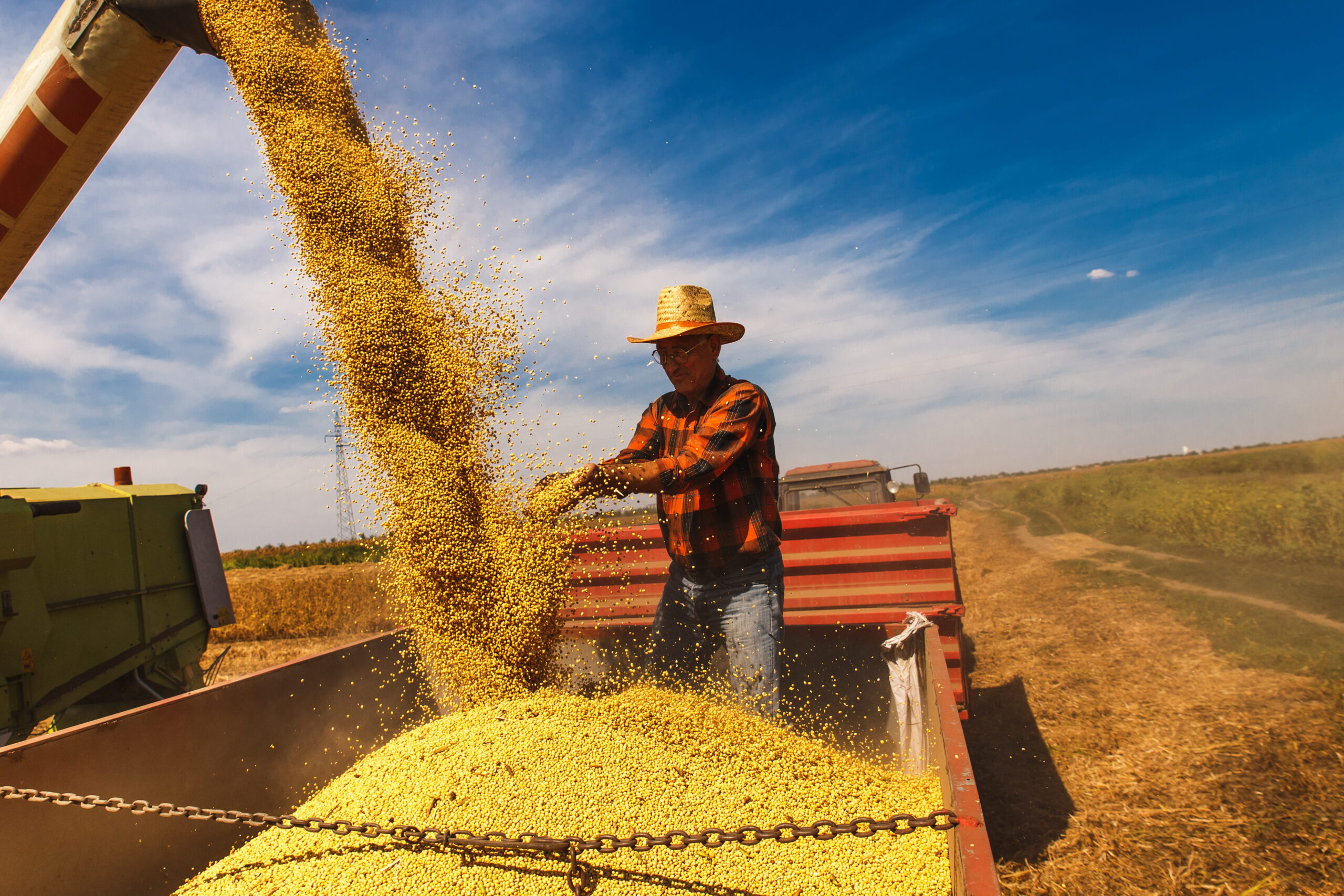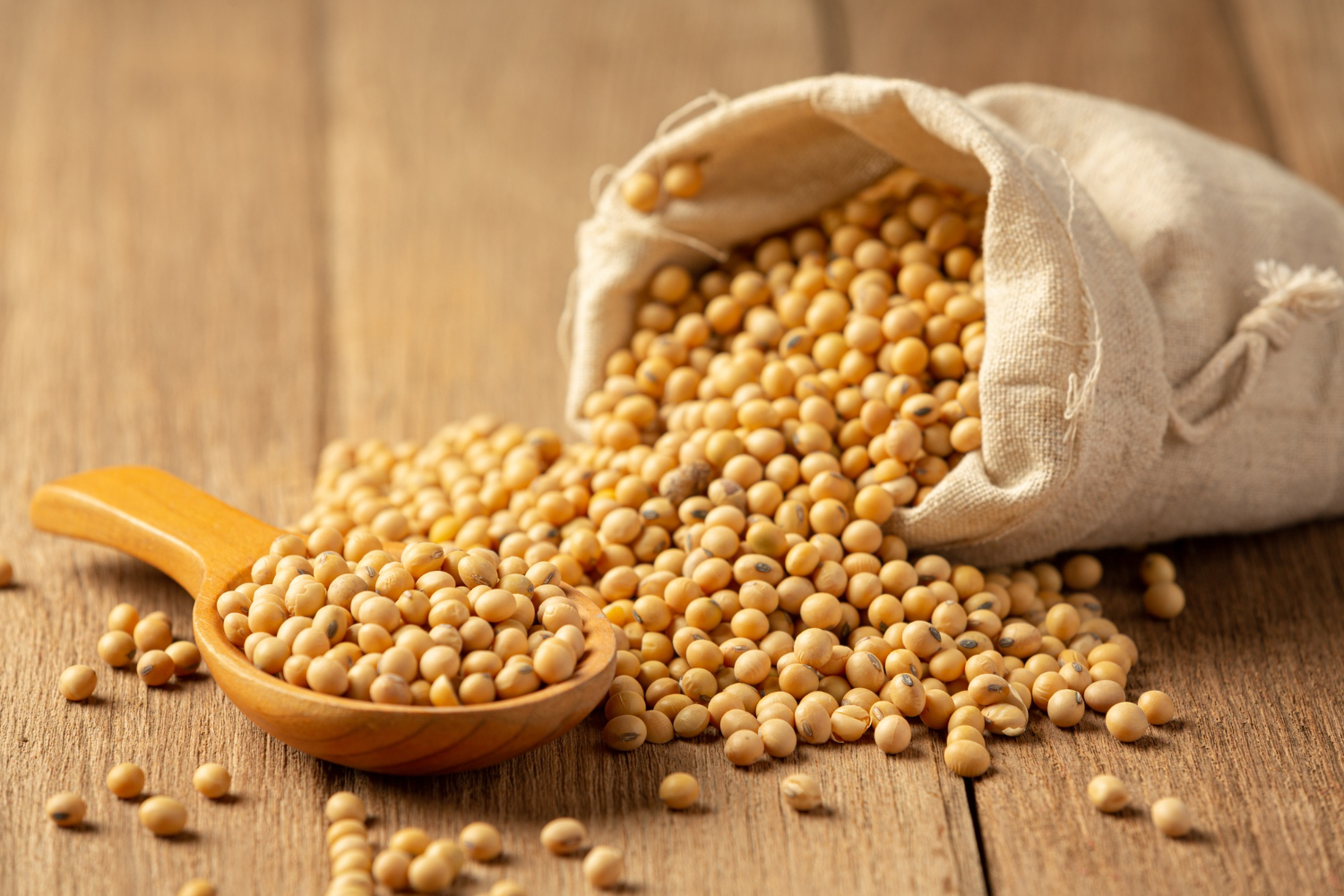
Soybean moisture content affects storage life, grain quality, handling costs and the condition of a shipment when it reaches its destination. For bulk buyers and importers, a small difference in moisture can influence drying requirements, acceptance at delivery and the risk of spoilage during storage.
A reliable purchase specification should cover more than the moisture percentage. Buyers also need to check soybean grading standards, foreign material, damaged beans, odour and sampling procedures. Understanding these factors helps businesses compare suppliers, assess incoming cargo and reduce quality disputes before shipment.
What Is the Ideal Soybean Moisture Content?
For commercial soybeans, 13% moisture or less is a commonly recommended target for winter storage. Iowa State University Extension advises storing commercial soybeans at or below this level, while its harvest guidance identifies 12–13% as a useful range for balancing grain quality and harvest losses. These are practical guidelines, not a universal buying specification.
The appropriate target depends on the intended storage period, temperature, aeration, grain condition and buyer requirements.
- For short-term handling: Confirm the moisture limit in the purchase contract and the time before processing or delivery.
- For extended storage: Lower moisture and suitable storage conditions help reduce spoilage risk.
- For seed soybeans: More conservative moisture limits may be necessary to preserve germination.
- For imported bulk cargo: Agree on the accepted moisture range before loading and confirm how it will be measured.
Do not treat 13% as an automatic acceptance limit for every transaction. The contract, applicable grading rules and intended use determine the actual requirement.
How Does Soybean Moisture Affect Storage?
Soybean storage moisture matters because excessive moisture encourages deterioration, especially when grain is stored in warm conditions or lacks adequate aeration. Soybeans also contain relatively high levels of oil, making careful storage management important.
Moisture problems can contribute to:
- Mould growth and unpleasant odours.
- Heating within stored grain.
- Reduced processing quality.
- Additional drying and handling costs.
- Disputes over cargo condition at delivery.
Moisture is only one part of storage management. Grain temperature, ventilation, storage duration, insects and damaged kernels also influence the condition of the stock.
Iowa State University Extension recommends checking stored soybeans regularly and monitoring moisture readings carefully. Buyers receiving bulk cargo should establish an inspection schedule and investigate signs of heating, condensation or unusual odours rather than relying on the original loading certificate alone.
Soybean Grading Standards: What Buyers Need to Check
Soybean grading standards help buyers assess grain quality against defined criteria. In Canada, the Canadian Grain Commission’s Official Grain Grading Guide covers grading procedures and factors used to assess soybeans. These include colour, damage, foreign material, heated or mouldy beans, odour and other quality defects.
The Canadian moisture categories are also important when reviewing a shipment:
| Moisture content | Canadian moisture classification |
| Below 14.1% | Straight |
| 14.1%–16.0% | Tough |
| 16.1%–18.0% | Damp |
| 18.1%–20.0% | Moist |
| Above 20.0% | Wet |
These categories describe moisture classification under the Canadian system; they do not guarantee a particular soybean grade. Other quality factors still apply, and the applicable rules may differ in the country of origin or destination.
For international purchases, specify the governing grading system in the contract. If the shipment is being traded under a buyer-defined specification, make sure the supplier and inspection party use the same criteria.
How to Measure Soybean Moisture Accurately
A soybean moisture meter helps buyers, grain handlers and storage operators estimate moisture content before accepting or storing a shipment. However, readings can vary with grain temperature, sample condition, meter calibration and the equipment used.
For more dependable results:
- Take a representative sample. Collect samples from appropriate points in the lot or according to the agreed sampling procedure.
- Use suitable equipment. Make sure the meter is designed for soybeans and is maintained according to the manufacturer’s instructions.
- Account for grain temperature. Temperature compensation can affect the reading, particularly when grain is cold.
- Repeat the test. Take multiple readings from the sample and compare the results.
- Document the measurement. Record the result, test method, date and sample identification.
Iowa State University Extension recommends testing samples multiple times and averaging the readings because moisture testers can produce varying results. For commercial transactions, agree in advance on the official sampling and testing method used to resolve differences between buyer and supplier results.
What Bulk Buyers and Importers Should Check Before Shipment
Moisture should be one item in a broader pre-shipment quality review. Before confirming a bulk soybean purchase, buyers should establish the following requirements in writing.
- Moisture limit: State the maximum permitted percentage and the method used to measure it.
- Grade and quality: Identify the applicable soybean grading system and acceptable levels of damaged beans, foreign material and other defects.
- Sampling and inspection: Specify who collects samples, where testing takes place and how disagreements are handled.
- Storage and transport: Confirm that the cargo can be protected from moisture ingress, condensation and unsuitable storage conditions.
- Documentation: Request the agreed quality certificate, inspection results and relevant shipment records.
- Acceptance terms: Define what happens if the shipment falls outside the agreed specification, including any retesting or rejection process.
These details are particularly important for long-distance shipments. Grain that meets the specification at loading can still face problems if exposed to water, condensation or unsuitable storage conditions during transit.
Common Mistakes When Assessing Soybean Moisture
Even experienced buyers can overlook details that lead to avoidable quality disputes.
Using one reading for the entire shipment: A single sample may not represent a large bulk cargo. Follow an agreed sampling plan and retain appropriate records.
Confusing moisture classification with overall grade: Moisture is only one factor in soybean grading standards. Damage, foreign material, odour and other defects can affect acceptance.
Ignoring storage duration: Grain suitable for prompt processing may not be suitable for prolonged storage under the same conditions.
Assuming every country uses the same limits: Canadian grading categories should not automatically be applied to a shipment traded under another country’s rules or a private contract.
Checking only at loading: Buyers should establish who is responsible for sampling at origin and destination, particularly when the contract allows inspection on arrival.
How Veldora Supports Commodity Sourcing
Veldora is a Canadian supply chain and commodities company that works with buyers and suppliers across international markets. Its commodity portfolio includes soybean oil and soy protein, alongside other agricultural and industrial materials.
For businesses sourcing soy-related commodities, clear product specifications, quality documentation, origin, quantity and delivery terms help establish expectations before a transaction proceeds. Buyers should confirm that the product being sourced matches their intended application and that the agreed quality requirements are documented.
If your business is evaluating soybean-derived products or other bulk commodities, contact Veldora to discuss your sourcing requirements and supply needs.
Research sources
- Iowa State University Extension: Soybean harvest—when the time is right — harvest moisture and the relationship between very dry beans and harvest losses.
- Iowa State University Extension: Storing soybean — storage moisture recommendations, moisture meter variation and storage checks.
- Canadian Grain Commission: Moisture specifications — Canadian moisture classifications.
- Canadian Grain Commission: Soybean grading — official grading procedures and quality factors.
Frequently Asked Questions
What is the ideal soybean moisture content for storage?
Commercial soybeans are commonly stored at 13% moisture or less for winter storage, but the suitable target depends on storage duration, temperature, grain condition and handling practices.
What is the difference between soybean moisture and soybean grade?
Moisture measures the water content of the grain. Grade considers moisture classification alongside other factors, including damage, foreign material, colour and odour.
How does a soybean moisture meter work?
A soybean moisture meter estimates moisture using the instrument’s measurement method and calibration. Results can be affected by grain temperature, so follow the manufacturer’s instructions and repeat tests when needed.
What are the Canadian soybean moisture classifications?
Under Canadian moisture specifications, soybeans below 14.1% are classified as straight, followed by tough at 14.1%–16.0%, damp at 16.1% — 18.0%, moist at 18.1% — 20.0% and wet above 20.0%. These classifications do not determine the complete grain grade.
Why should importers check moisture before loading?
Pre-shipment testing helps buyers confirm that the cargo meets the agreed specification before transportation. It also creates a documented reference point if the moisture result differs at destination.
Can soybeans with high moisture be stored safely?
Higher-moisture soybeans generally require more careful management and may need drying before storage. Safe storage depends on moisture, temperature, aeration and duration, so buyers should follow suitable technical guidance rather than relying on moisture alone.