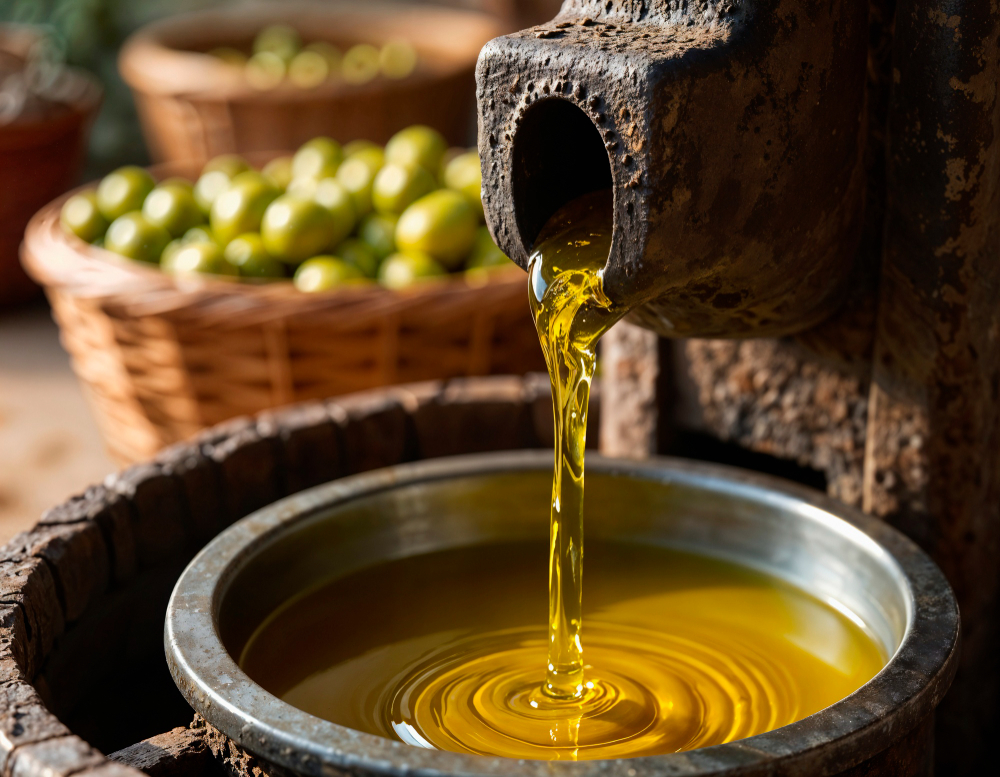
Soybeans are used to produce far more than one finished product. Inside each soybean are oil, protein, carbohydrates and other components that can be separated and processed for different markets. A modern soybean processing operation is built around making use of these components efficiently, with soybean oil and protein rich meal forming two of the most important outputs.
The process starts when harvested soybeans arrive at a processing facility. From there, the beans are cleaned, prepared and separated so their oil can be recovered while the remaining material becomes the starting point for several protein products.
Understanding how this works helps explain why soybeans are such an important commodity in food, agriculture and animal nutrition.
What Happens to Soybeans Before Oil Extraction?
Processing begins with cleaning the incoming soybeans. Foreign material such as dust, plant residue, stones and other unwanted material needs to be removed before the beans enter the main processing line.
The beans may then be cracked to loosen the hulls. Depending on the operation and the intended product, the hulls can be separated from the soybean kernels through aspiration. Removing part of the hull can increase the protein concentration of the resulting meal.
The cleaned soybean material is then conditioned and passed through flaking equipment. Flaking is important because it breaks open the cells containing oil and creates thin pieces with a larger surface area. This makes the oil easier to recover during extraction.
How Is Oil Separated From Soybeans?
There are two basic approaches to recovering oil from soybeans: mechanical pressing and solvent extraction.
Mechanical pressing uses an expeller to apply pressure to prepared soybean material. As the material moves through the press, pressure forces oil out while a solid press cake remains.
Large scale soybean processing commonly uses solvent extraction because it can recover a high proportion of the available oil. In this process, prepared soybean flakes come into contact with a solvent, commonly hexane, which dissolves the oil. The resulting oil and solvent mixture is then separated so the solvent can be recovered and reused.
The solid material left after extraction becomes the starting point for soybean meal and other protein ingredients.
For businesses involved in commodity procurement, choosing the right supplier is also important once processing is complete. Factors such as product specifications, sourcing regions, quality and supply reliability can influence purchasing decisions. Veldora also provides guidance on how to choose a reliable sulphur supplier when evaluating suppliers for other industrial commodities.
What Happens to the Extracted Soybean Oil?
Freshly extracted soybean oil is considered crude oil. It contains components that need to be removed or reduced before the oil is suitable for many food and industrial applications.
The refining process can include several stages.
Degumming
The first major refining stage is generally degumming. Water and, depending on the process, acid are used to separate phospholipids and other materials known as gums from the crude oil.
These materials are separated from the oil, often using centrifugation. Soybean oil can also be a source of lecithin recovered from the phospholipid fraction.
Neutralization
Free fatty acids and other unwanted components can be reduced through refining. In conventional alkali refining, a caustic solution reacts with free fatty acids to form soapstock, which can then be separated from the oil.
Bleaching
Bleaching is not about changing the oil into a different product. Instead, adsorbent materials are used to remove pigments, trace impurities and other compounds that can affect the appearance and stability of the oil.
Deodorization
The final stage commonly involves deodorization. Steam under vacuum is used to remove volatile compounds that can affect the oil’s odour and flavour.
The result is refined soybean oil that can be used in food applications and other products depending on its specification.
What Happens to the Soybean Meal?
Oil extraction leaves behind a protein rich solid material known as soybean meal. Rather than treating this material simply as waste from oil production, processors can turn it into an important commodity in its own right.
Soybean meal is widely used as a protein source in animal feed. Its final characteristics depend on factors such as whether the beans were dehulled, how much oil was removed and how the meal was heat treated.
The heat treatment is particularly important. It helps deactivate naturally occurring anti nutritional factors, but excessive heat can reduce protein quality and digestibility. Processing therefore requires careful control of temperature and moisture.
How Is Soybean Meal Turned Into Protein Products?
The defatted soybean material can follow different processing routes depending on the desired end product.
Soy Flour and Soy Grits
Defatted soybean flakes can be ground into flour or processed into coarser grits. These ingredients retain a significant proportion of the soybean’s protein and can be used in food formulations.
Soy flour and grits can differ in particle size and processing characteristics, allowing manufacturers to select an ingredient suited to a particular application.
Soy Protein Concentrate
Soy protein concentrate takes the process further.
The starting material is generally defatted soybean flakes with good protein solubility. Soluble carbohydrates and other non protein components are selectively removed, leaving a product with a much higher protein concentration.
Different processing methods can be used, including aqueous alcohol washing, acid washing and heat treatment followed by water washing. The resulting concentrate is commonly around 70% protein, depending on the specification and processing method.
Soy Protein Isolate
Soy protein isolate involves an additional level of separation.
The soluble proteins are extracted from defatted soybean material under controlled conditions. The protein is then precipitated, separated from the liquid, washed and processed into the desired final form.
Protein isolates generally contain a much higher proportion of protein than conventional soy flour or meal and are used where a concentrated functional protein ingredient is required.
Why Processing Conditions Matter
Soybean processing is not simply a matter of separating oil from a seed. Conditions throughout the process can affect the characteristics and value of the final products.
Flaking influences oil recovery. Extraction conditions affect how much oil remains in the meal. Heat treatment influences protein quality and the effectiveness of anti nutritional factor reduction. Further processing determines whether the material becomes meal, flour, concentrate or isolate.
This is why processors pay close attention to raw material quality, moisture, temperature, extraction efficiency and the intended end use.
Soybean Processing Creates Multiple Valuable Products
One of the interesting aspects of soybean processing is how many commercial products can come from the same raw material.
The oil fraction can become refined soybean oil and other derivatives. The solid fraction can become soybean meal for animal nutrition or move into food ingredient production. Further processing can produce defatted flour, grits, protein concentrates and protein isolates.
Even components removed during refining can have commercial applications. For example, phospholipids recovered during degumming can be processed into soy lecithin.
This range of outputs is one reason soybeans play such an important role in global commodity markets.
Soybean Oil and Protein in Global Supply Chains
The journey from soybean field to finished product involves much more than processing equipment. Procurement, quality control, storage, transportation, documentation and delivery all form part of the wider commodity supply chain.
For buyers, the specification of the product matters just as much as the commodity itself. Protein content, processing method, grade, packaging, quantity, origin and delivery requirements can all influence purchasing decisions.
Veldora works within this broader supply environment, sourcing and coordinating commodities including soybean oil and soy protein through international supply networks. The company works with suppliers and buyers across major global markets as part of its commodity sourcing and supply operations.
Businesses sourcing agricultural and industrial commodities may also need to evaluate whether working with a local or international supplier makes the most sense for their requirements. Veldora’s guide to local vs. global chemical suppliers provides additional context around the considerations involved in supplier selection.
From One Soybean to Several Markets
The soybean is a good example of how modern commodity processing can turn one agricultural product into several commercially important materials.
Oil can be refined for food and other applications, while the protein rich portion can enter animal feed or be processed into ingredients such as soy flour, concentrates and isolates. Each stage requires its own controls and specifications.
For businesses involved in food manufacturing, animal nutrition or commodity procurement, understanding this process provides useful context when evaluating soybean based products and their supply chains.
A Practical Source for Soybean Oil and Protein Products
For businesses sourcing soybean oil, soy protein, and other agricultural commodities, having a reliable supply partner can simplify procurement and reduce the challenges of coordinating suppliers across different markets. Veldora connects industrial and agricultural buyers with trusted suppliers through direct purchasing and international sourcing channels. With access to supply regions across North America, South America, Europe, Asia, Africa, and the Middle East, Veldora supports businesses looking for consistent access to essential commodities while focusing on quality, transparent sourcing, competitive pricing, and efficient supply coordination.
Explore Veldora’s commodity sourcing solutions
FAQs
What are the main products made from soybeans?
The major products include soybean oil, soybean meal, soy flour, soy grits, soy protein concentrate and soy protein isolate. Other products, including soy lecithin, can also be recovered during processing.
How is soybean oil extracted?
Soybean oil can be recovered through mechanical pressing or solvent extraction. Large scale processing commonly uses solvent extraction after the beans have been cleaned, cracked, dehulled when applicable and flaked.
What happens to soybeans after the oil is removed?
The defatted material becomes soybean meal or can be processed further into products such as soy flour, protein concentrate and protein isolate.
What is soybean meal used for?
Soybean meal is primarily used as a protein rich ingredient in animal feed. Its nutritional characteristics depend partly on processing conditions and the amount of hull retained in the meal.
What is the difference between soy protein concentrate and isolate?
Soy protein concentrate is produced by removing much of the soluble non protein material from defatted soybean flakes. Soy protein isolate involves further extraction and separation of the soluble proteins, resulting in a product with a higher protein concentration.
Why is soybean processing important?
Processing allows different components of the soybean to be separated and converted into products for food, animal nutrition and other industries. It also allows the oil and protein fractions to enter different markets rather than relying on the whole soybean as a single product.